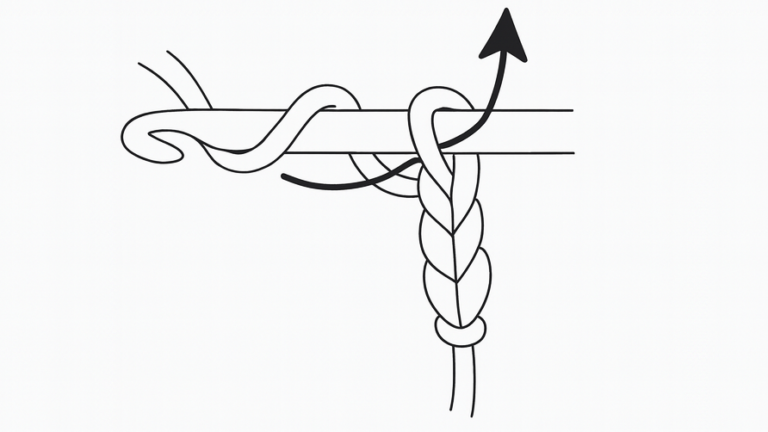
Crochet has been part of my life for much longer than I ever expected. My earliest memory of it sits on my grandmother’s living porch, watching her make doilies and delicate table pieces that looked too complicated for my hands to ever understand. Her hook moved quickly and quietly. I remember being fascinated by the way a roll of crochet thread magically transformed into lace. I also remember thinking it was something only grandmothers knew how to do.
When Crochet Seemed Ancient
For many people with grandmothers born in the 1930s and 40s, that memory is common. Crochet was everywhere in those decades. It showed up on tables, on armrests, in baby bassinets, and on dresser drawers. By the time our grandmothers learned it, crochet had already become a familiar part of home life. Many women of their era learned it from family members, school sewing lessons, or pattern booklets. Their crochet often had a delicate and decorative look. Lace doilies, table runners, chair back covers, baby items. Pieces that lived quietly in the home and showed care in the small details.
Craft historians generally agree that crochet, in its modern form, took shape in the early 1800s, growing into a popular home craft across Europe and North America. Interweave’s Crochet Through History describes how the craft developed, including the rise of Irish crochet during the famine and how crochet lace became part of household life. Little World of Whimsy’s The Real History of Crochet also explains that early crochet was influenced by techniques like shepherd’s knitting and tambour embroidery, before it became the craft we recognize today.
How Crochet Found Its Way Back
Crochet has cycled in and out of the spotlight since those days. The 1970s brought colorful granny squares and expressive fashion. Interest faded in the 1990s, then rose again in the 2010s and 2020s. The Craft Yarn Council’s surveys show that many crocheters and knitters now turn to yarn crafts for stress relief, improved mood, and emotional relaxation. Most respondents reported that working with yarn helps them unwind and cope with challenges, which reflects what many people feel when they pick up a hook after a long day.
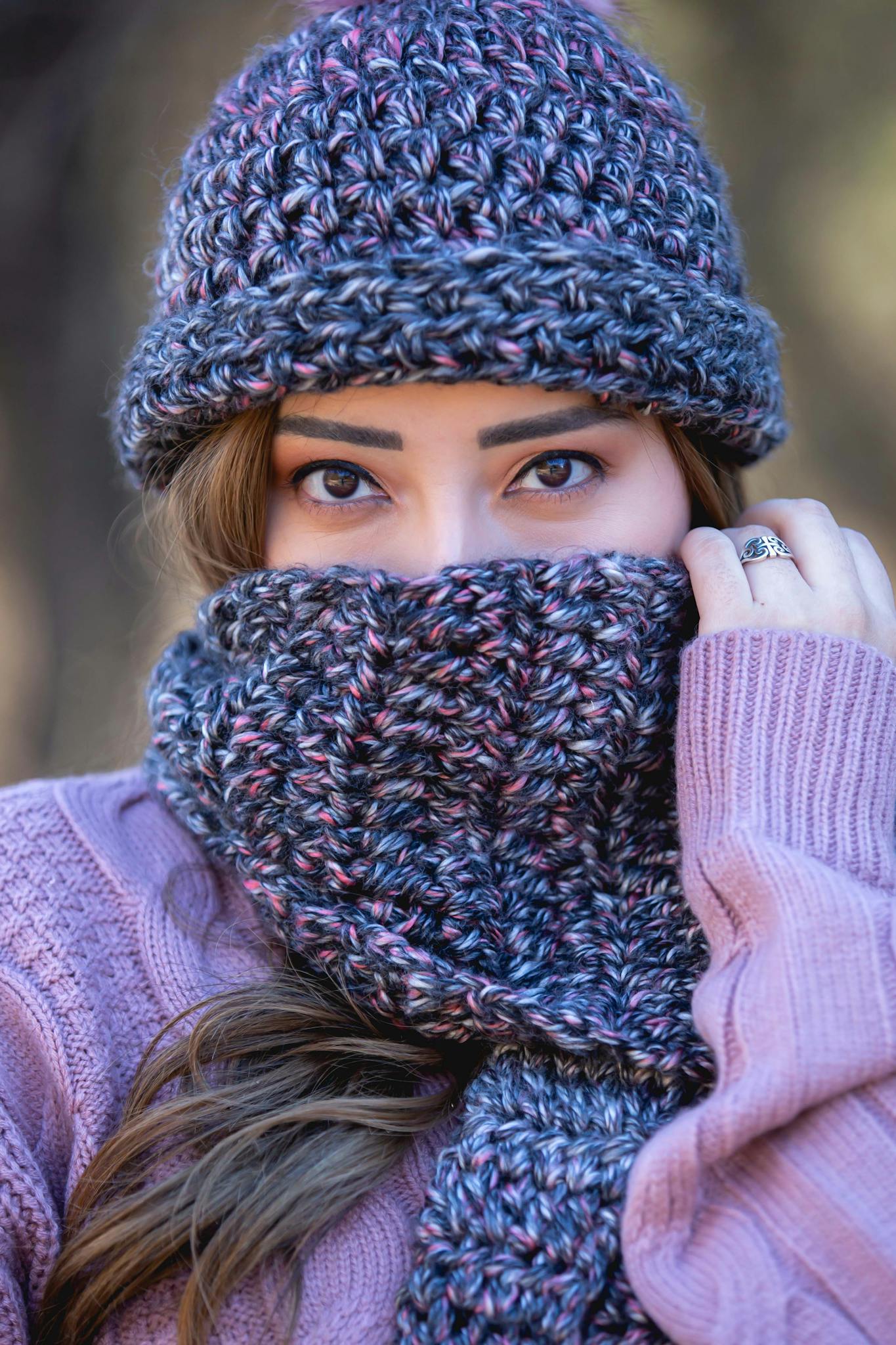
I did not expect to be part of crochet’s comeback. When I finally picked up a hook, it felt very different from the delicate lace my grandmother made. While appreciate the lace doilies I grew up seeing, modern crochet feels calm, textured, and welcoming. People love it for the same reasons they love a cozy sweater or a soft throw. Crochet offers comfort you can feel. It creates pieces that look good in simple, modern spaces. This craft encourages you to slow down, breathe, and make something with intention.
The Heart of Patient Calf
When I create pieces for Patient Calf, I think about that gentle connection between the past and the present. I ofen think of my grandmother, even if the style of what I make is very different from the things she carefully placed around her home. My work is modern in style, but the heart of it feels familiar. It is craft that brings comfort. It is comfort made by hand. Each piece is more than just yarn, hooks and stiches. It’s the peace, passion and joy that I felt while making them.
If you would like to explore crochet or bring handmade pieces into your routine, you can start here:
- Cozy Layers Collection (scarves, hats, ear warmers)
- Soft Habits Collection (washcloths and facial cloths)
- Crochet Starter Kits for anyone who wants to try the craft for the first time